
Richis Tree Service, LLC
4 Tree Care Trends Homeowners in Centennial, CO Cannot Ignore in 2026
The 4 biggest trends affecting tree care in Centennial, CO are Emerald Ash Borer, dormant pruning, early pest detection, and risk-based care for mature trees. Acting early can protect healthy trees, reduce safety risks, and help you avoid costly emergency work.
Centennial homeowners enjoy some of the Front Range’s most attractive established landscapes. Mature cottonwoods, pines, ash trees, crabapples, and ornamental pears add shade and character, but they also face dry conditions, sudden temperature changes, heavy spring snow, invasive pests, and conflicts with roofs, fences, and utility lines.
At Richis Tree Service, we regularly help local homeowners decide whether a tree needs treatment, pruning, monitoring, or removal. One pattern we see often is that small warning signs are easier and less expensive to address before a storm or pest outbreak turns them into an emergency.
Quick Overview: 2026 Tree Care Trends in Centennial, CO
| Tree Care Trend | Why It Matters | Recommended Action |
|---|---|---|
| Emerald Ash Borer | Untreated ash trees can decline and die | Identify ash trees and schedule an evaluation |
| Dormant pruning | Bare branches make defects easier to see | Prune most deciduous trees in late winter |
| Pest and disease detection | Early action may limit wider damage | Check foliage, bark, and branch tips regularly |
| Mature-tree risk management | Large defects can threaten people and property | Request a professional risk assessment |
1. Emerald Ash Borer Is Already a Local Threat
Emerald Ash Borer, or EAB, is present in Centennial, so homeowners with ash trees should not wait for severe canopy loss before asking for help. The insect’s larvae feed beneath the bark and disrupt the movement of water and nutrients, eventually killing the tree.
The City of Centennial’s Emerald Ash Borer guidance says EAB was confirmed on the west side of Centennial in June 2024. The City estimates that an infested ash tree may die within 3 to 5 years. Colorado State University Extension’s EAB resource notes that death may occur within 2 to 4 years after symptoms first appear.
The threat is significant because ash trees make up about 15% of Colorado’s urban forest, and the Denver metro area has an estimated 1.45 million ash trees, according to CSU Extension.
Signs of Emerald Ash Borer
Watch for:
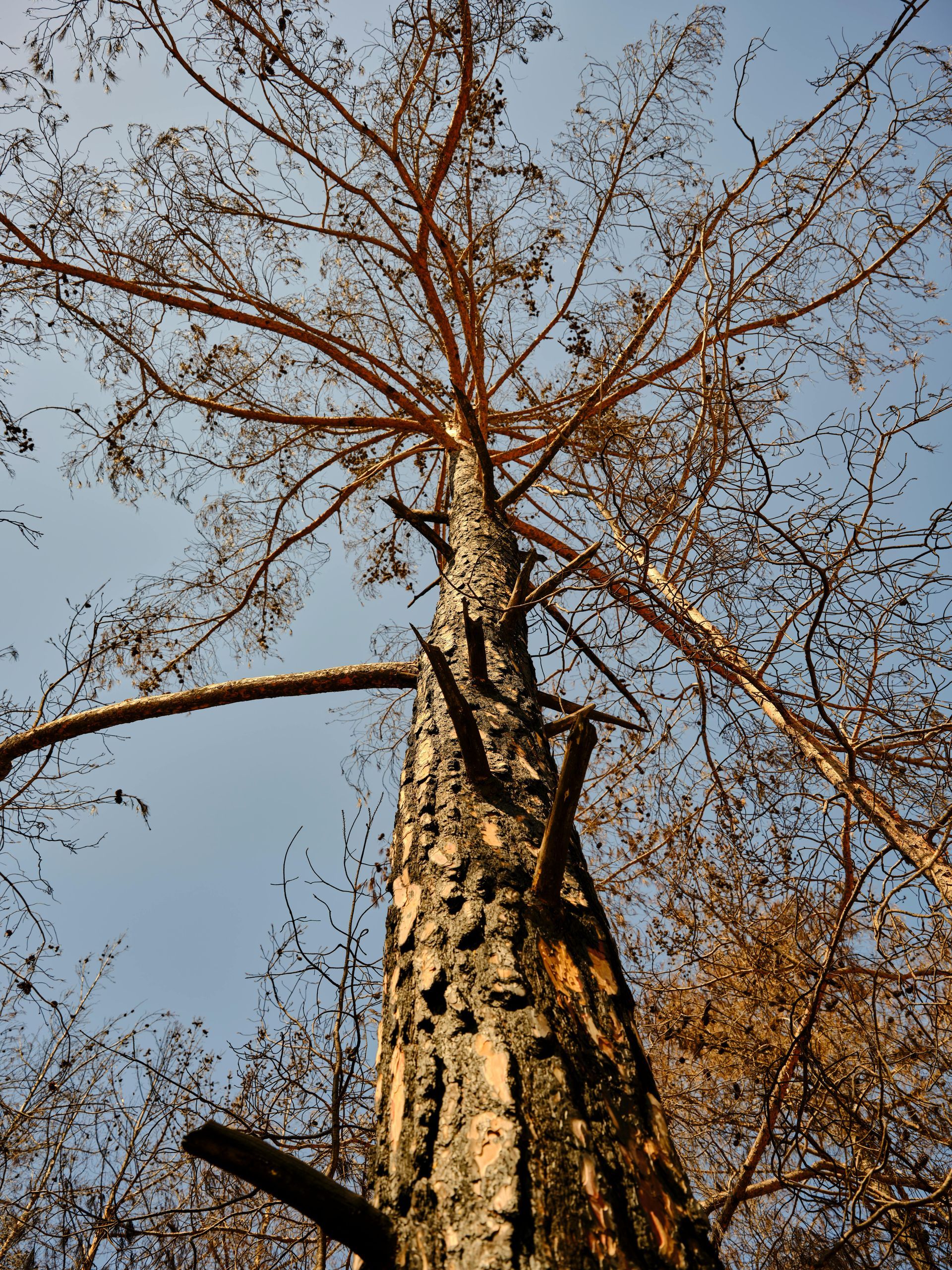
- Thinning near the top of the canopy
- D-shaped exit holes in the bark
- Vertical bark splits
- S-shaped galleries beneath loose bark
- New shoots growing from the lower trunk
- Increased woodpecker activity
- Progressive branch dieback
Other problems can cause similar symptoms, so a visual check may not confirm EAB. A professional evaluation can help determine whether treatment, monitoring, or tree removal is the right next step.
Healthy or lightly affected ash trees may be treatment candidates. Severely declining trees may need removal before the wood becomes brittle and more difficult to handle safely.
Current 2026 Centennial Tree Program Information
The 2026 Centennial Tree Program is complete. The City of Centennial Tree Program page directs residents to check back in early February for 2027 information.
Under the 2026 program, residents could purchase one qualifying tree for $85 plus tax while supplies lasted. Homeowners who had removed an ash tree within the previous year could receive a refund for the full cost of a qualifying program tree after submitting documentation.
Program rules, prices, tree species, and refund requirements may change. Keep removal records and verify the current details before purchasing a replacement tree.
2. Dormant Pruning Can Prepare Trees for Spring
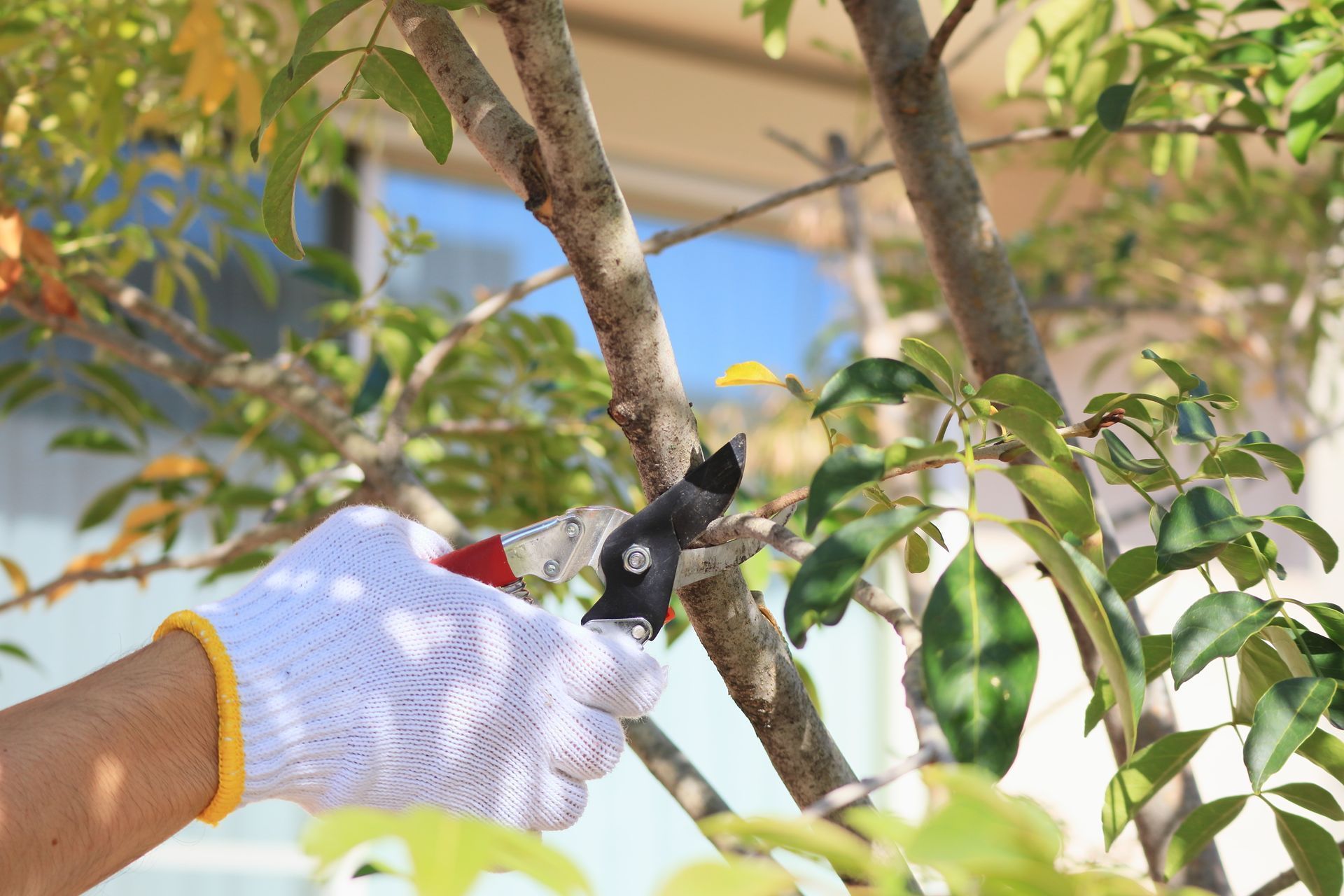
Late winter is one of the best times to prune most deciduous trees in Centennial. Without leaves blocking the view, an arborist can see weak attachments, crossing limbs, deadwood, and overextended branches more clearly.
The Colorado State Forest Service’s pruning guidance explains that late-winter pruning makes structural problems easier to identify and allows cuts to begin closing as spring growth starts. This timing can also help prepare trees for the wet, heavy snow that often arrives along the Front Range in late winter and spring.
During local trimming visits, we often find that the most urgent problems are not the largest branches. They are cracked unions, dead limbs over driveways, or smaller branches rubbing against roofs and siding.
Professional pruning may include:
- Removing dead or broken branches
- Correcting crossing or rubbing limbs
- Reducing the weight on an overextended branch
- Improving young-tree structure
- Providing clearance from a roof or walkway
- Addressing competing leaders or weak attachments
Learn more about the difference between tree pruning and tree trimming before scheduling work.
Important Pruning Cautions
Pruning should solve a specific problem. Avoid these common mistakes:
- Do not top a mature tree.
- Do not remove too much live canopy at once.
- Do not leave long stubs or make flush cuts against the trunk.
- Do not assume every species should be pruned on the same schedule.
- Do not work near overhead utility lines.
Dead, damaged, or hazardous branches may need attention at any time of year. For routine care, professional tree trimming in Centennial can help determine which branches should be removed and which should remain.
3. Early Pest Detection Can Limit Damage
Check your trees regularly for
discoloration, fine webbing, wilted branch tips, premature leaf loss, and unusual bark changes. Spider mites and fire blight can spread before the damage becomes obvious from a distance.
Use the White-Paper Test for Spider Mites
Spider mites are tiny and often difficult to see. Their feeding may cause foliage to look speckled, dull, gray, bronze, or scorched.
Try this quick screening test:
- Hold a clean sheet of white paper beneath a discolored branch.
- Tap the branch firmly.
- Watch for tiny moving specks.
- Request a professional diagnosis if you see movement or widespread damage.
The University of Minnesota Extension’s spider-mite guide recommends this test as a practical way to detect mites. It is not a final diagnosis because beneficial mites and other small organisms may also fall onto the paper.
Mite activity varies by species. CSU Extension’s spider-mite resource explains that many species become active in warm, dry weather, while spruce spider mites often prefer cooler spring and fall conditions. Some can complete a generation in about 1 week, so populations may increase quickly.
Avoid spraying an unidentified pest. Some broad-spectrum insecticides can kill natural predators and make mite problems worse.
Adequate watering can help drought-stressed trees tolerate pest pressure. Fertilizer should be based on the needs of the tree and soil, not a fixed schedule. Professional tree fertilization can help address identified nutrient or soil concerns.
Watch for Fire Blight
Fire blight affects apple, crabapple, mountain ash, and pear trees. The Colorado State University PlantTalk fire blight guide lists blackened shoots, wilted blossoms, and branch tips curled into a shepherd’s crook shape as common symptoms.
Infected branches may need to be removed below the visible damage, and pruning tools should be sanitized properly.
Good watering, mulching, and plant selection also support long-term resilience. See our guide to eco-friendly tree care practices for more Colorado-friendly ideas.
4. Mature Trees Need Risk-Based Care
A mature tree is not dangerous simply because it is large or old. Risk depends on the tree’s condition, the likelihood of failure, and what could be struck if a branch, trunk, or root system fails.
Centennial neighborhoods such as Willow Creek and Southglenn are known for mature canopies. These trees provide shade, privacy, and character, but they should be inspected when large branches extend over homes, driveways, sidewalks, or outdoor living areas.
Schedule an assessment if you notice:
- Dead branches over frequently used areas
- Cracks where major limbs meet the trunk
- Hanging or partly broken branches
- Mushrooms or visible decay near the base
- Soil lifting around the roots
- A new or increasing lean
- Cavities in the trunk or major limbs
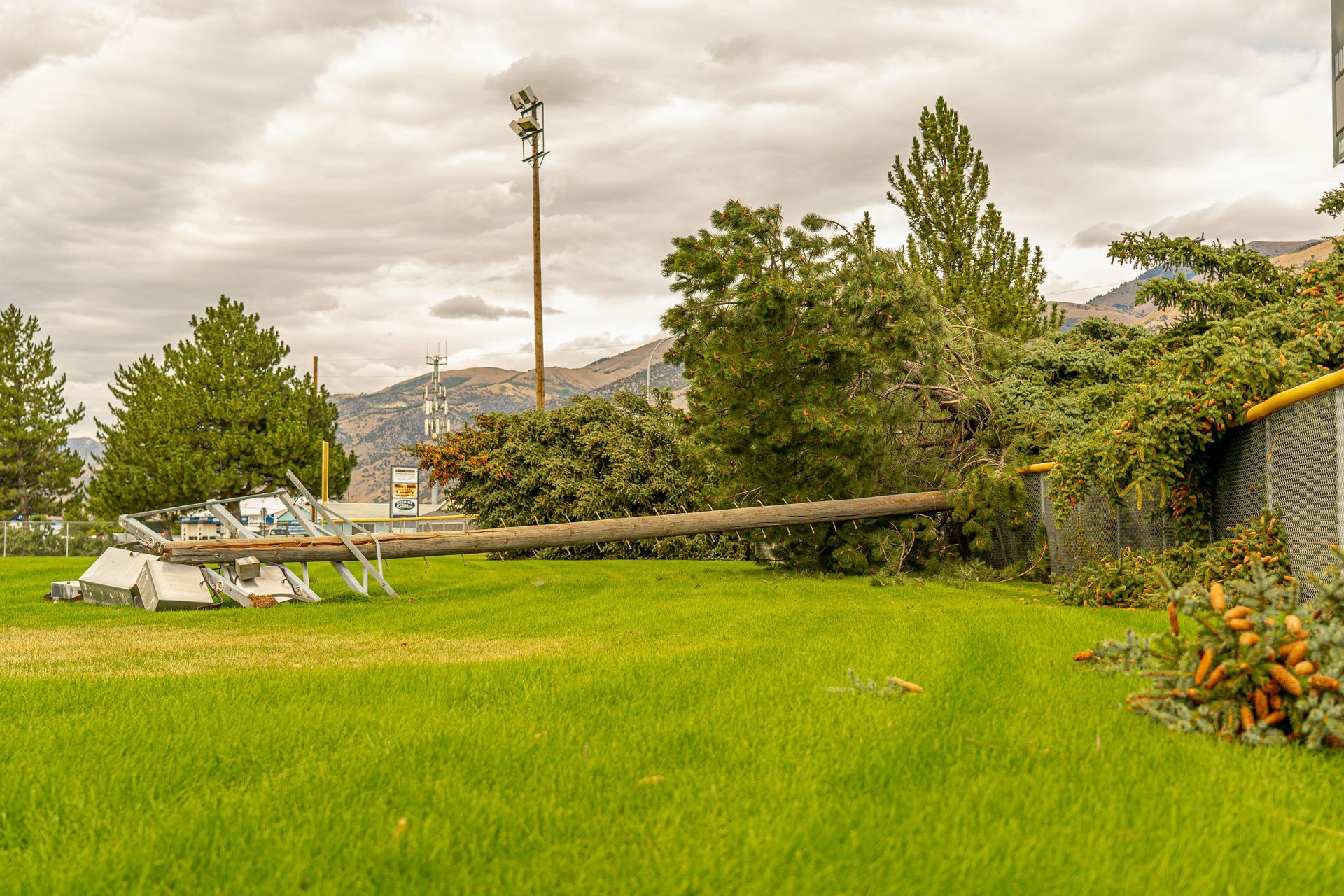
- Recent wind, snow, or construction damage
The International Society of Arboriculture’s tree-risk guidance explains that risk may be managed through targeted pruning, routine care, support systems, moving potential targets, or removal when the risk cannot be reduced enough.
Crown thinning is not automatically the best solution. Excessive thinning can remove too much foliage without correcting problems in the trunk, roots, or major branch unions.
A professional recommendation may involve crown cleaning, reduction pruning, clearance pruning, cabling, monitoring, or removal. Before choosing a provider, learn more about the role of certified arborists in maintaining healthy trees.
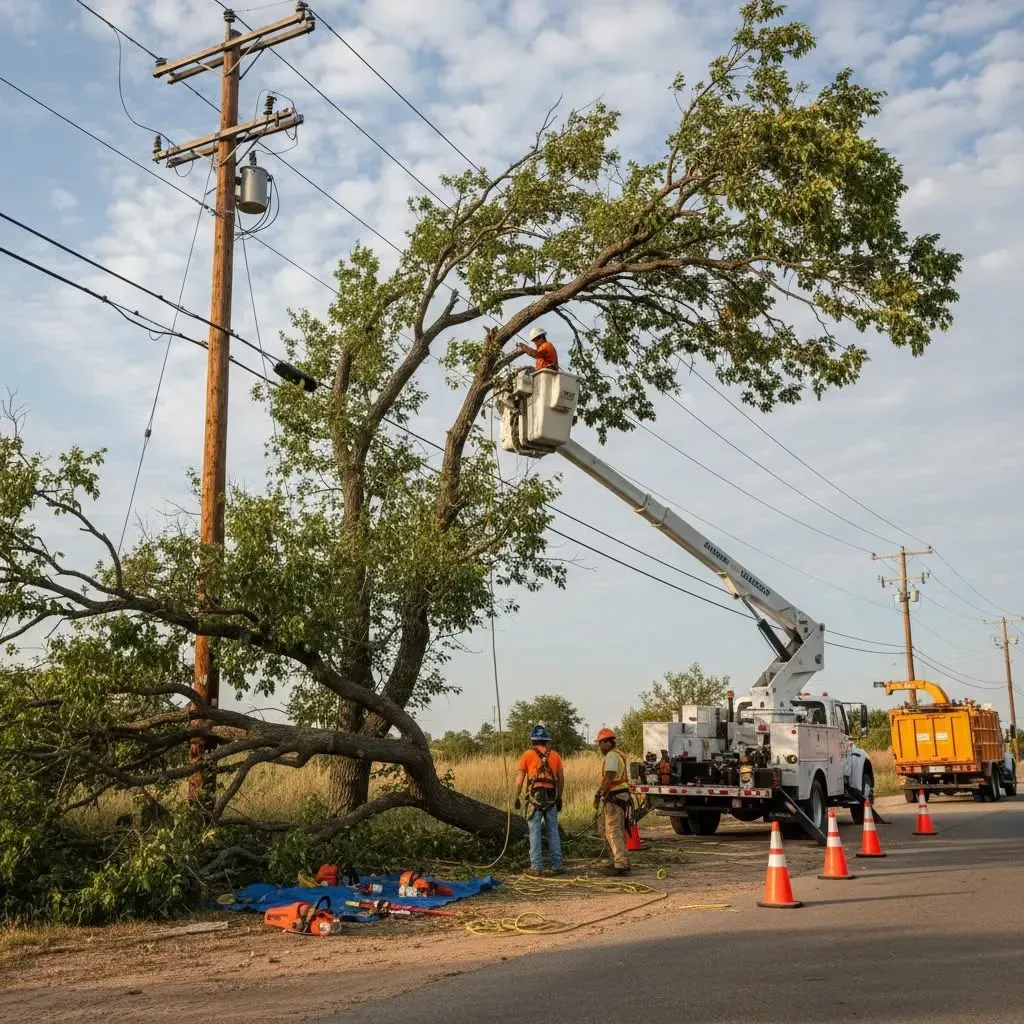
Protect Your Centennial Trees Before a Small Problem Becomes an Emergency
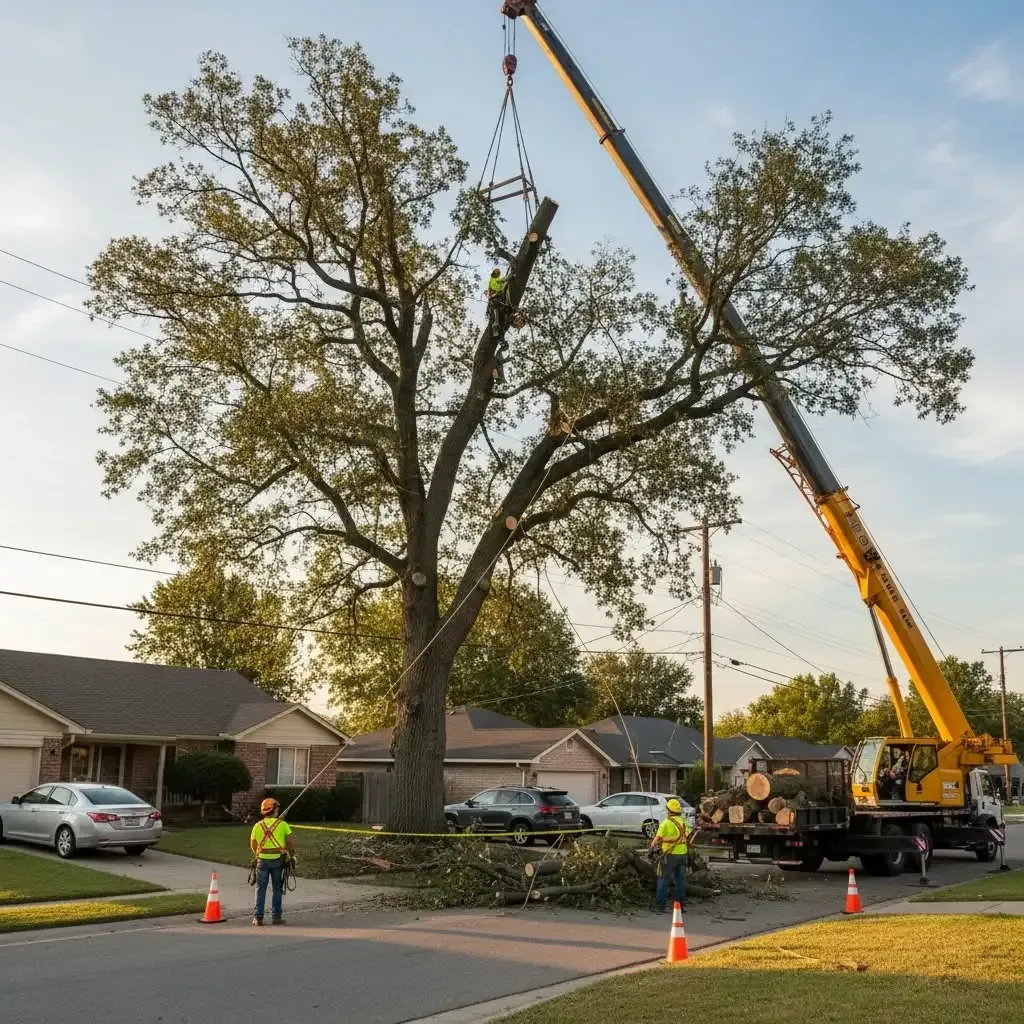
Whether you are evaluating an ash tree, planning dormant pruning, investigating discolored foliage, or concerned about a large branch near your home, getting the right help early can make all the difference. At Richis Tree Service, we have served Centennial and nearby communities since 2005. We help homeowners assess tree health, reduce safety risks, and choose practical next steps for trimming, removal, stump grinding, and fertilization.
Do not wait for a weakened branch to fall or a declining tree to become an emergency. Call
Richis Tree Service at
(720) 987-5606 to request a free tree inspection.
FAQs About Centennial Tree Care
When is the best time to trim trees in Centennial?
Late winter is ideal for most deciduous trees because their structure is visible and spring growth has not started. Dead or hazardous branches should be addressed promptly, regardless of the season.
How do I know whether I have an ash tree?
Ash trees usually have opposite branches and compound leaves with several leaflets. Because similar-looking trees can be mistaken for ash, confirm the species before planning EAB treatment or removal.
Can an ash tree with Emerald Ash Borer be saved?
A healthy or lightly affected ash tree may be a treatment candidate. Trees with severe canopy loss, advanced decay, or unacceptable structural risk may be better candidates for removal.
Is the Centennial Tree Program still available in 2026?
No. The 2026 program is complete. The City advises residents to check back in early February for 2027 details.
How quickly can spider mites damage a tree?
Some spider mites can complete a generation in about one week under favorable conditions. Damage depends on the species, weather, tree health, and how early the problem is identified.
SHARE THIS ARTICLE
Recent Posts